
Why Are Dental Crowns Recommended for Weakened Teeth?
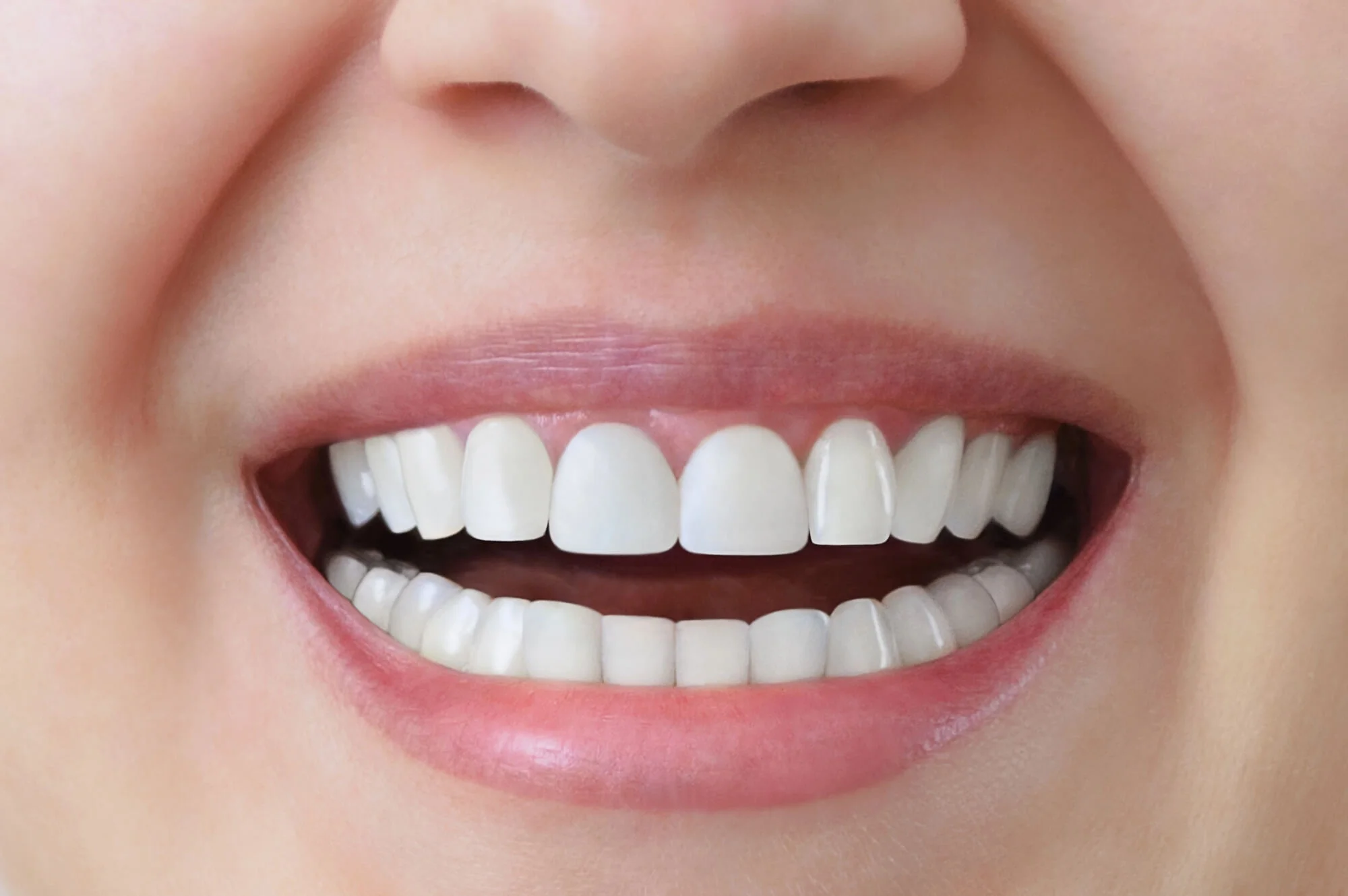
Many people searching for dental crowns in Prattville are dealing with a damaged tooth that no longer feels as strong as it once did. You may notice pain while chewing, increased sensitivity, or even a visible crack. These problems can make everyday activities uncomfortable, but they do not always mean the tooth has to be removed.
Dental crowns are one of the most effective ways to protect weakened teeth while preserving your natural smile. A custom crown covers the damaged tooth, restoring its strength, appearance, and function. Understanding why dentists recommend crowns can help you make informed decisions and avoid more serious dental problems in the future.

What Is a Dental Crown?
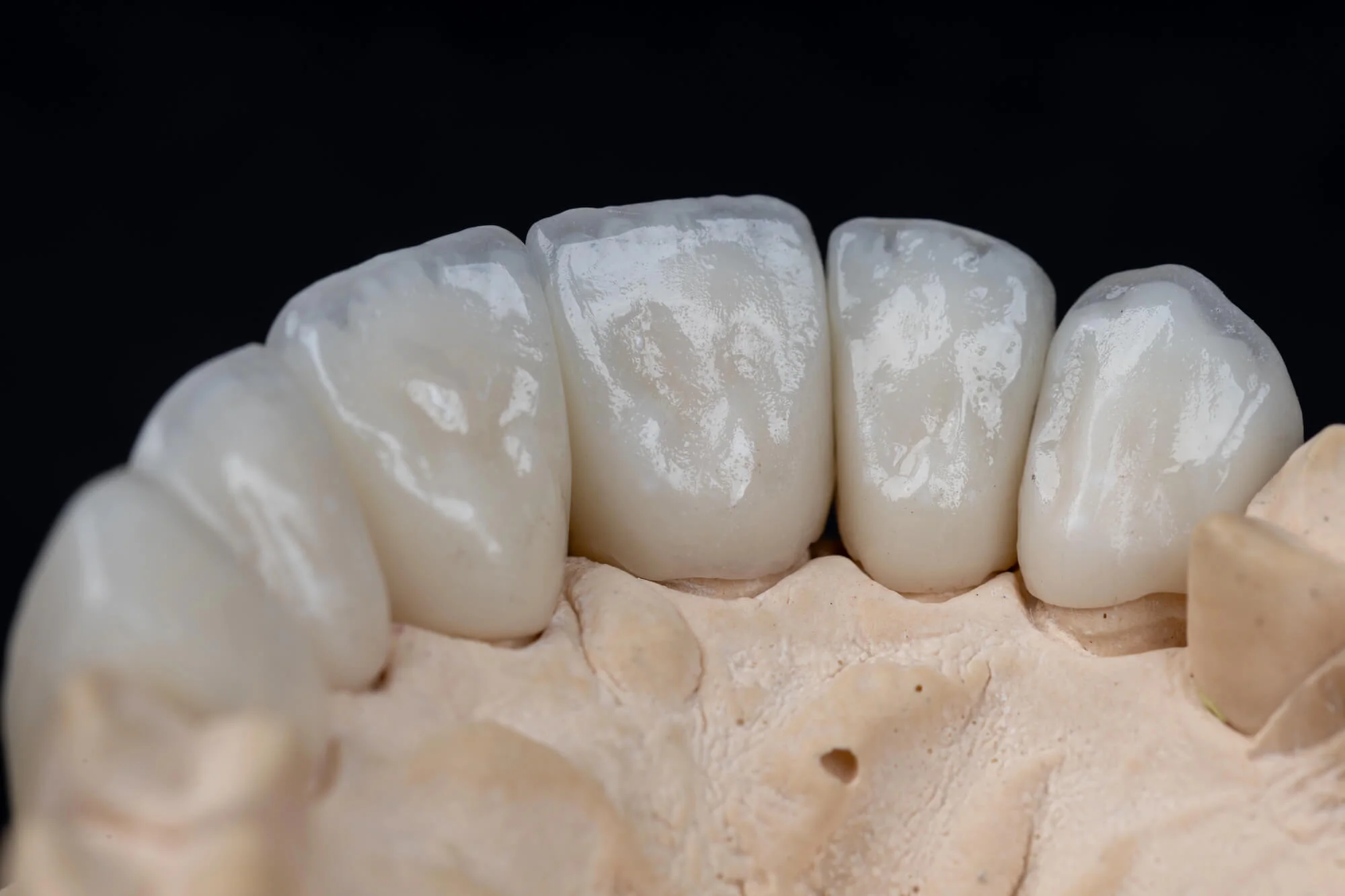
A dental crown is a custom-made restoration that completely covers the visible portion of a damaged tooth. Think of it as a durable protective shell that strengthens the remaining tooth while restoring its original shape and size.
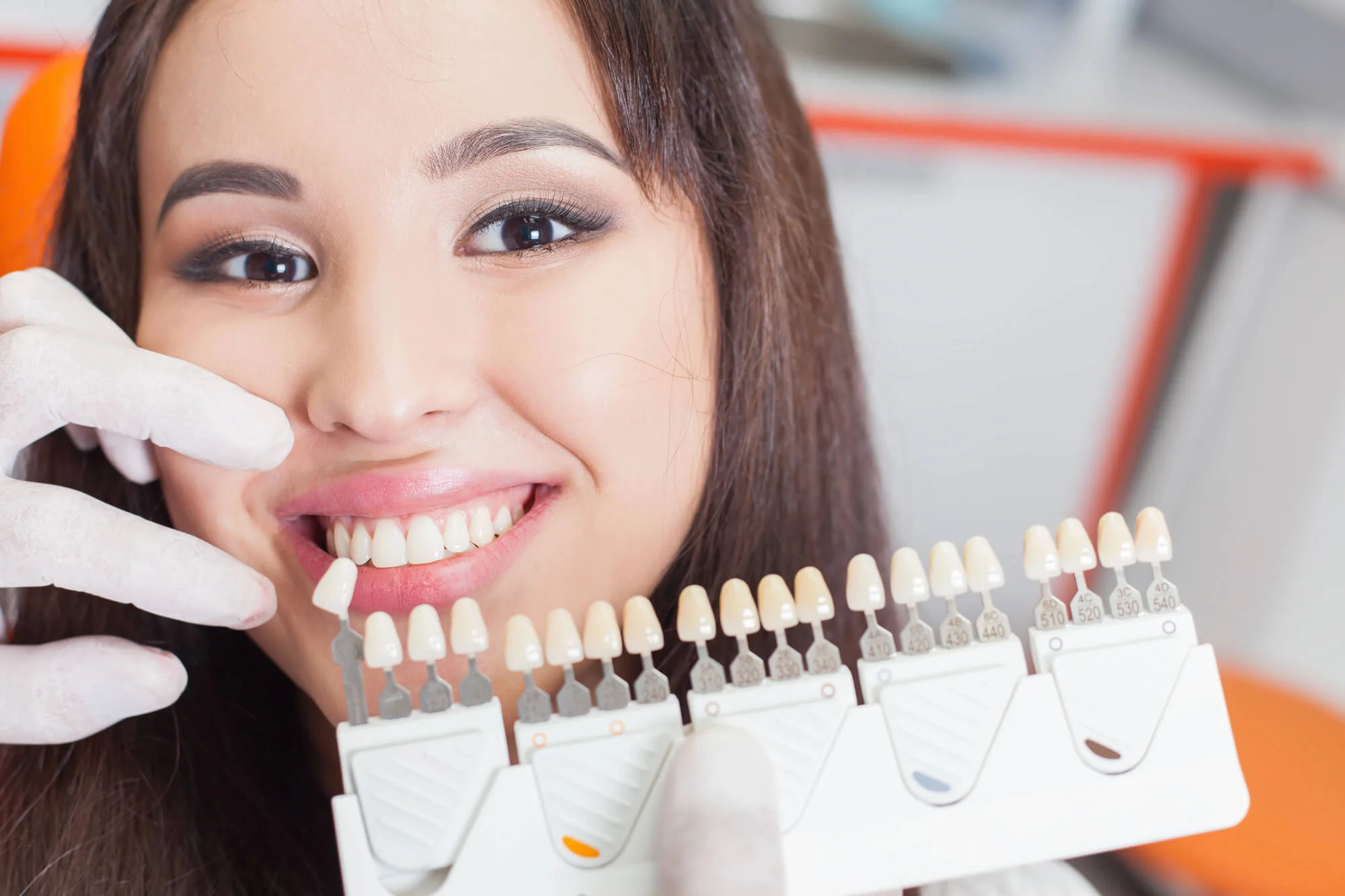
Crowns may be made from porcelain, ceramic, metal, or a combination of materials. Many modern crowns closely match the color of your natural teeth, allowing them to blend seamlessly into your smile.
Rather than extracting a weakened tooth, your dentist can often restore it with a crown, preserving your natural bite and keeping the surrounding teeth properly aligned.
Why Teeth Become Weak
Healthy teeth are designed to withstand years of chewing, though they can lose strength over time. Decay, injury, repeated stress, and previous dental work all contribute to weakening the tooth structure.
Common causes include:
- Large cavities
- Extensive dental fillings
- Cracked or fractured teeth
- Teeth grinding or clenching
- Sports injuries or accidents
- Root canal treatment
- Natural wear with age
As healthy tooth structure disappears, the remaining portion becomes more likely to chip, crack, or break during normal daily activities.
How Dental Crowns Protect and Strengthen Weakened Teeth
Crowns Reinforce Fragile Teeth
One of the biggest benefits of a dental crown is the additional support it provides.
The crown surrounds the weakened tooth, distributing chewing pressure evenly across the surface. This protection reduces stress on fragile areas and helps prevent additional fractures.
Many patients notice that biting becomes much more comfortable after the crown is placed because the tooth no longer shifts or flexes under pressure.
Dental Crowns Help Preserve Natural Teeth
Whenever possible, dentists prefer to save a natural tooth rather than remove it.
A crown often makes this possible by restoring strength before the damage becomes severe enough to require extraction. Keeping your natural tooth offers many long-term advantages.
Natural teeth help maintain proper chewing function, preserve your jaw alignment, prevent neighboring teeth from shifting, and eliminate the need for more extensive replacement procedures.
Early treatment frequently allows patients to avoid bridges, dentures, or dental implants.
Large Fillings Sometimes Need Additional Protection
Dental fillings are excellent for repairing small and moderate cavities. Larger restorations become less effective when much of the tooth has already been lost.
As the remaining walls become thinner, they are more likely to fracture during normal chewing.
Instead of filling only the damaged area, a crown covers the entire tooth. This full coverage creates a stronger restoration that handles daily pressure much more effectively.
Crowns Are Often Recommended After Root Canal Therapy
Root canal treatment removes infected tissue from inside the tooth while preserving the outer structure.
Although the infection is eliminated, the treated tooth often becomes more brittle over time. This is especially true for molars that absorb significant chewing force.
Placing a crown afterward protects the tooth from cracking and allows it to function normally for many years.
Cracked Teeth Need Early Protection
Small cracks may seem harmless, though they rarely stay the same.
Each bite places pressure on the damaged tooth, allowing the crack to spread deeper. Eventually, repair may become more difficult or even impossible.
Receiving treatment early gives the tooth the best chance of long-term success.
Crowns Improve Your Smile
Dental crowns are functional restorations that also provide cosmetic benefits.
A crown can restore:
- A natural tooth shape
- Proper tooth size
- A smooth surface
- Natural color
- A balanced smile
Modern porcelain crowns closely resemble natural enamel, making them difficult to distinguish from neighboring teeth.
Patients often leave treatment with greater confidence because their restored tooth both feels and looks healthy again.
Caring for Your Dental Crown
A crown can last many years when properly cared for.
Daily brushing and flossing help keep both the crown and the surrounding gums healthy. Regular dental examinations allow your dentist to monitor the restoration and identify any concerns early.
Avoiding habits such as chewing ice, biting fingernails, or opening packages with your teeth can also help extend the life of your crown.
Signs You May Need a Dental Crown
Only your dentist can determine whether a crown is the best treatment. Several symptoms commonly indicate that a professional evaluation is worthwhile.
Schedule a dental appointment if you notice:
- A cracked or chipped tooth
- Pain while chewing
- A large cavity
- A broken or failing filling
- Persistent tooth sensitivity
- A weakened tooth after root canal treatment
- Significant tooth wear from grinding
Seeking treatment early often helps preserve more natural tooth structure while reducing the risk of future complications.
What Happens During the Crown Procedure?
Many patients expect a complicated procedure, though receiving a dental crown is usually straightforward.
Your dentist first examines the tooth and removes any damaged or decayed areas. A digital scan or impression is then taken to create a custom crown tailored to your bite.
While the permanent crown is being fabricated, you may receive a temporary restoration to protect the prepared tooth.
At your final visit, the permanent crown is securely bonded into place. Your dentist carefully checks the fit and bite before making any small adjustments needed for comfort.
Most patients quickly return to their normal activities with improved chewing ability and renewed confidence.
Investing in Your Long-Term Oral Health
A dental crown does much more than repair a damaged tooth.
Protecting weakened teeth early helps prevent additional fractures, reduces the likelihood of infection, and preserves your natural smile for years. Addressing problems before they worsen often saves time, money, and unnecessary discomfort.
Many patients discover that receiving a crown allows them to continue enjoying their favorite foods while maintaining healthy oral function.
Choose Dental Crowns in Prattville for Lasting Protection
If you're considering dental crowns in Prattville, choosing treatment before a weakened tooth breaks completely can make a significant difference in your long-term oral health. Dental crowns restore strength, improve appearance, and protect vulnerable teeth from additional damage. They also allow many patients to keep their natural teeth instead of requiring more extensive restorative procedures.
If you have a cracked tooth, a large filling, or discomfort while chewing, don't wait for the problem to worsen. Contact Glynwood Park Dental Care today to schedule an evaluation. Our experienced team can determine whether a dental crown is the right solution and help you protect your smile for years to come.
.png)
.webp)