
Dental Inlays & Onlays in Prattville, AL
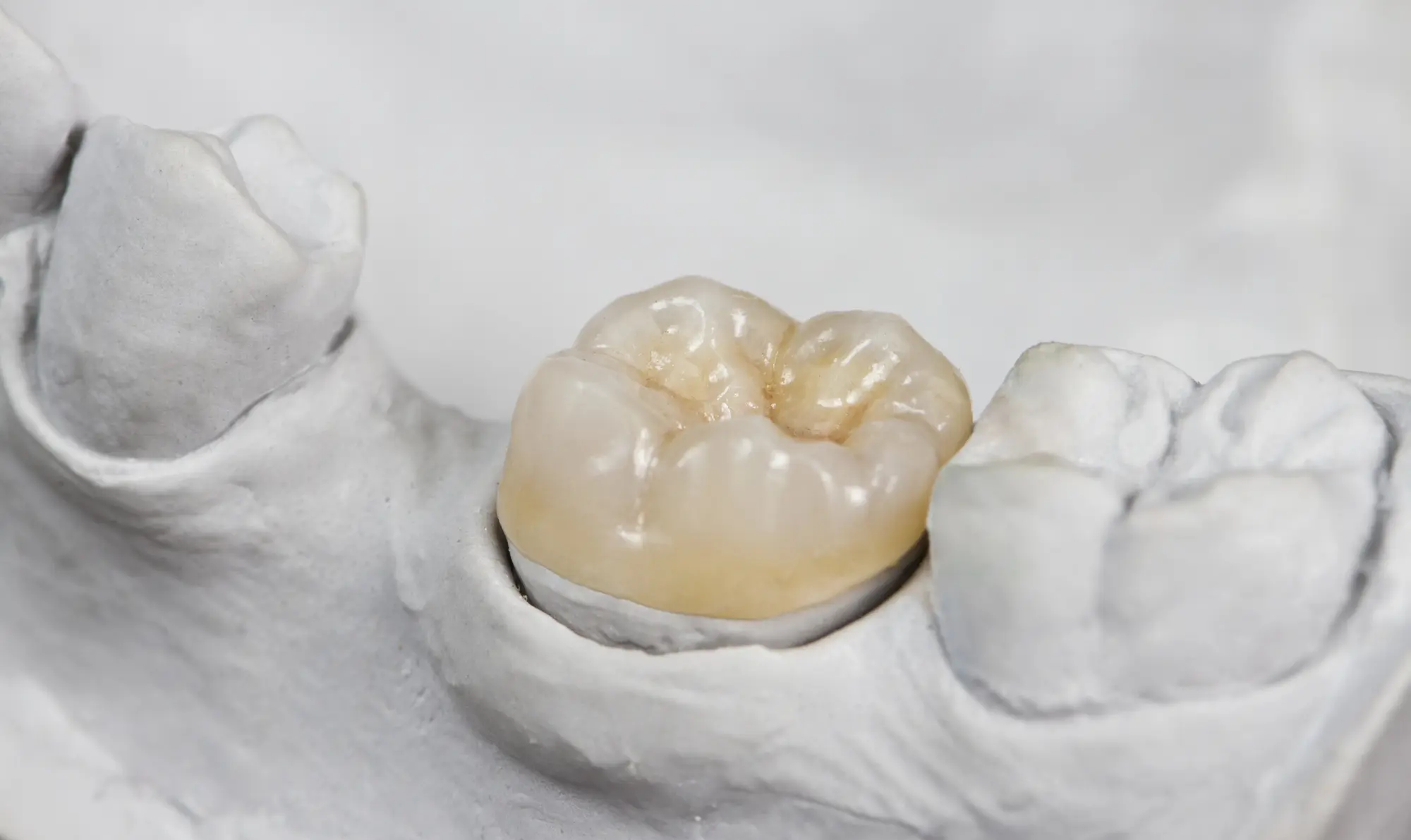
Not every damaged tooth needs a full crown — and a simple filling isn't always enough, either. When decay or a fracture falls somewhere in between, dental inlays and onlays give you a precise, durable middle-ground restoration that repairs your tooth while preserving as much of your natural structure as possible. At Glynwood Park Dental Care, we custom-craft every inlay and onlay to match the shape, function, and even the color of your existing smile.
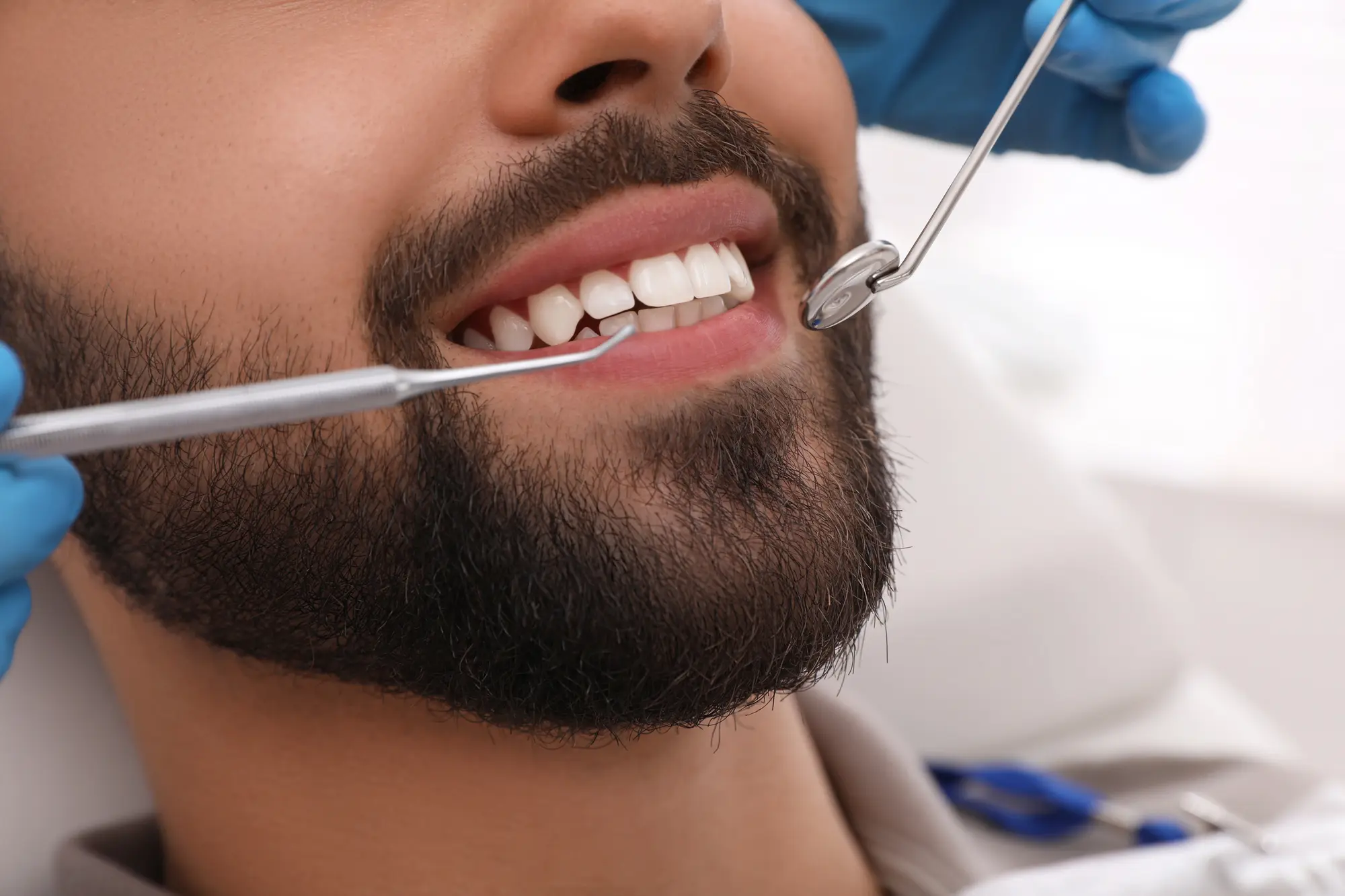
What Are Dental Inlays and Onlays?
Inlays and onlays are custom-made restorations, typically crafted from durable materials like porcelain, gold, or composite resin. An inlay fits neatly within the grooves on the biting surface of your tooth, while an onlay extends further, covering one or more of the tooth's cusps (the raised points along the edge). Both are fabricated in a dental lab from an exact impression of your tooth, then bonded securely into place, giving you a restoration built specifically for your bite.
Inlays and Onlays vs. Fillings and Crowns
One of the most common questions we hear is how inlays and onlays differ from other restorations. Dental fillings are typically placed in a single visit and work well for smaller areas of decay. But once damage extends across more than half of the tooth's biting surface, a filling may not hold up long-term. That's where inlays and onlays come in: they offer more strength and durability than a filling, without removing as much healthy tooth structure as a full dental crown requires. In short, inlays and onlays are often the ideal solution when your tooth needs more support than a filling can provide but isn't damaged enough to warrant a crown.
Signs You May Need an Inlay or Onlay
You may be a candidate for an inlay or onlay if you're noticing:
- Sensitivity or discomfort when biting down or chewing
- A visible crack, fracture, or worn area on a back tooth
- An old filling that's cracked, worn out, or no longer fits well
- Decay that's too large for a standard filling but hasn't reached the tooth's core
- A tooth that feels weak or “off,” even without visible damage
If any of this sounds familiar, it's worth having us take a look before the damage progresses further.
What to Expect During Treatment
Placing an inlay or onlay typically takes two visits:
- First visit. We remove the damaged or decayed portion of your tooth, take a precise impression, and place a temporary restoration to protect your tooth while your custom piece is crafted.
- Second visit. Once your inlay or onlay is ready, we remove the temporary, check the fit, and bond the permanent restoration securely into place, polishing it to blend naturally with your smile.
Because each restoration is custom-fabricated, you get a precise fit and a natural appearance that off-the-shelf fillings simply can't match.
Benefits of Choosing Inlays and Onlays
- Can strengthen a damaged tooth by as much as 75%
- Built to last anywhere from 10 to 30 years with proper care
- Preserve more of your natural, healthy tooth structure than a crown
- Blend seamlessly with your smile, especially with porcelain
- A reliable option when a filling alone isn't enough, without jumping straight to a crown
Why Choose Glynwood Park Dental Care
Every mouth is different, which is why we take the time to evaluate your specific damage before recommending a restoration. As your family dental home, we combine modern technology with a warm, patient-first approach, so you always understand your options and feel confident in your treatment plan. Whether you're a new patient or you've trusted us with your smile for years, we're here to help you protect your teeth for the long run.
Ready to repair and reinforce your smile? Schedule your appointment at Glynwood Park Dental Care today.
Frequently Asked Questions
It depends on how much of your tooth is damaged. Smaller areas of decay are often treated with a filling, while more extensive damage may call for an inlay or onlay. The only way to know for sure is with an exam, where we'll assess the damage and recommend the right fit.
No. We numb the area before removing any damaged tooth structure, so the procedure itself is generally comfortable. You may notice some mild sensitivity for a day or two afterward, which typically fades quickly.
We craft inlays and onlays from durable materials such as porcelain, gold, or composite resin. Porcelain is a popular choice for back teeth because it blends naturally with your smile while standing up to daily chewing.
With proper brushing, flossing, and regular checkups, inlays and onlays can last anywhere from 10 to 30 years, making them a long-term investment in your tooth's health and strength.
Yes. After your first visit, we'll place a temporary restoration to protect your tooth while your custom inlay or onlay is being crafted, so you can eat and go about your routine comfortably until your second visit.
Coverage varies by plan, and many patients find their insurance benefits and financing options help offset the cost. Our team is happy to walk you through your specific coverage before treatment begins.
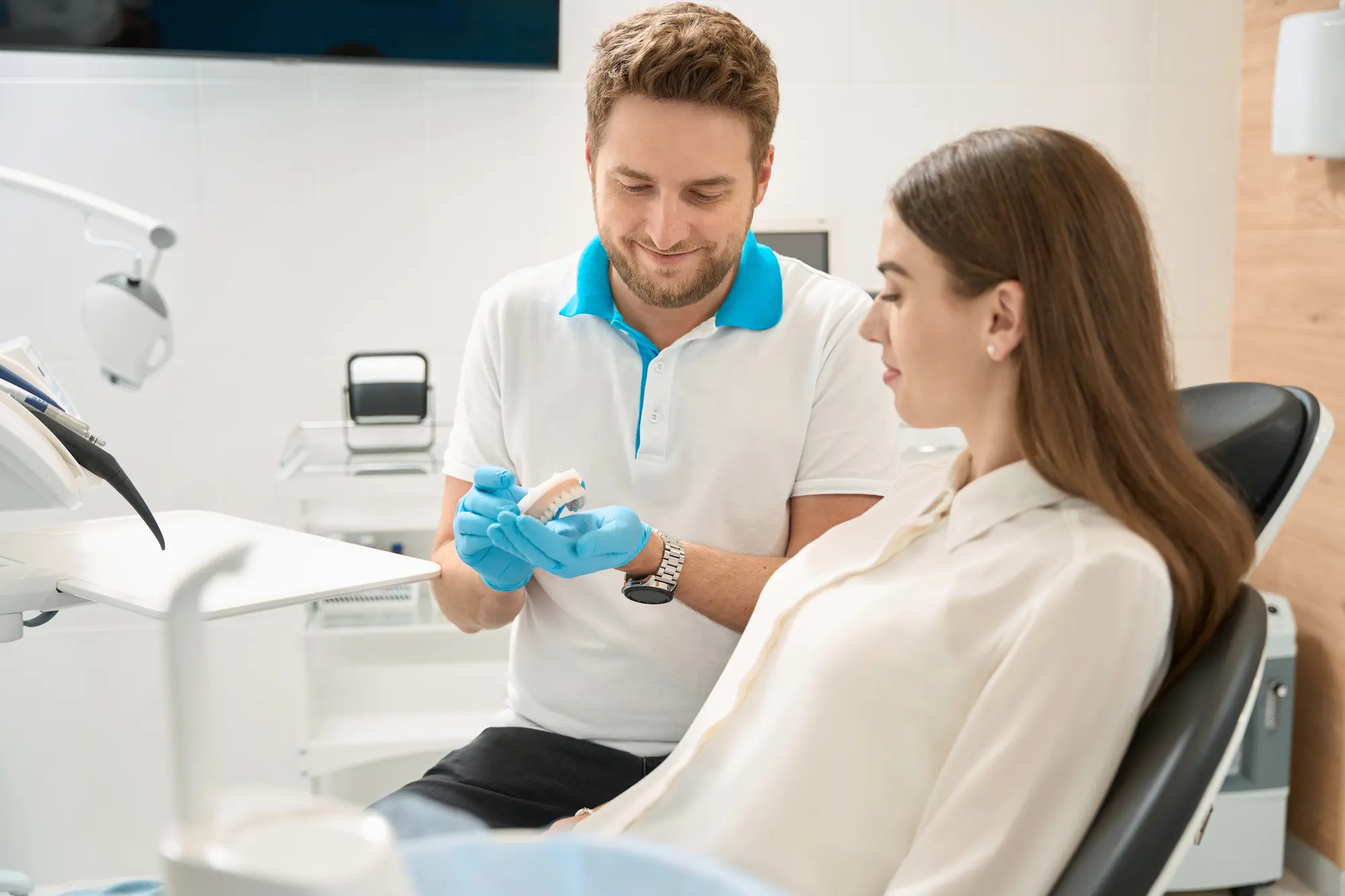
Ready to Repair and Reinforce Your Teeth?
Learn how inlays and onlays provide lasting support and a seamless finish. Contact us to get started.
.png)
.webp)